Your website shows what you can do. But does it show who you are?
How to strategically use your website as a sales tool – and why most websites fail to fulfill this purpose.
You have results. Verifiable, solid, tangible results. Projects that worked. Satisfied clients. Numbers that add up.
And yet, it happens again and again: Someone visits your website – and leaves. No inquiry, no call, no response.
This is no coincidence. It’s a structural problem. And it can be fixed.
- A website that does nothing costs you more than having no website at all
- Three misconceptions that cost good entrepreneurs dearly
- What a website specifically needs to function as a sales tool
- Quick Checklist: Is your website really working for you?
- A first step
- FAQ – Frequently Asked Questions: Your Website as a Sales Tool
A website that does nothing costs you more than having no website at all
A website – if set up correctly – is your best employee. It works around the clock, answers questions, builds trust, and prepares decisions, even when you are in a client meeting or asleep.
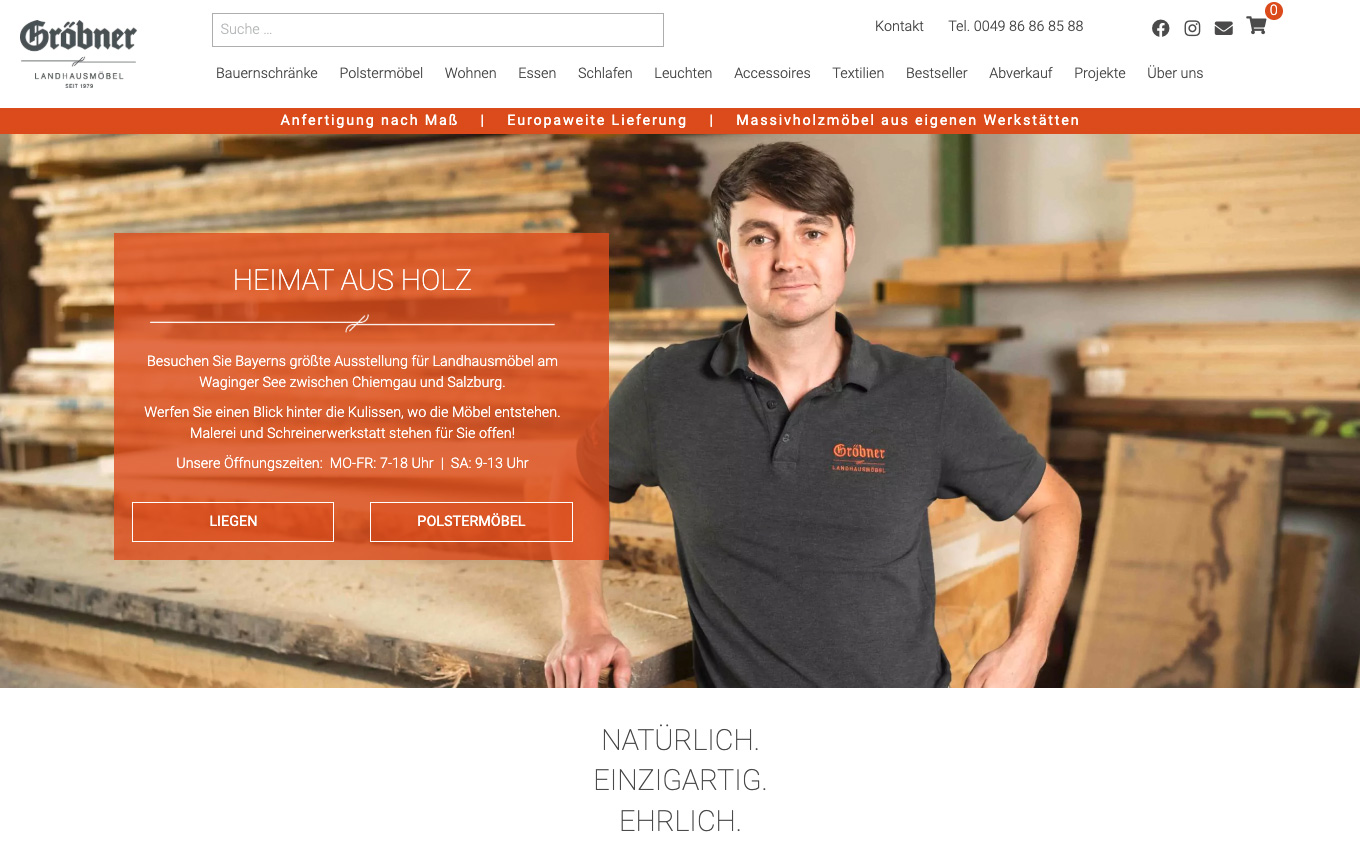
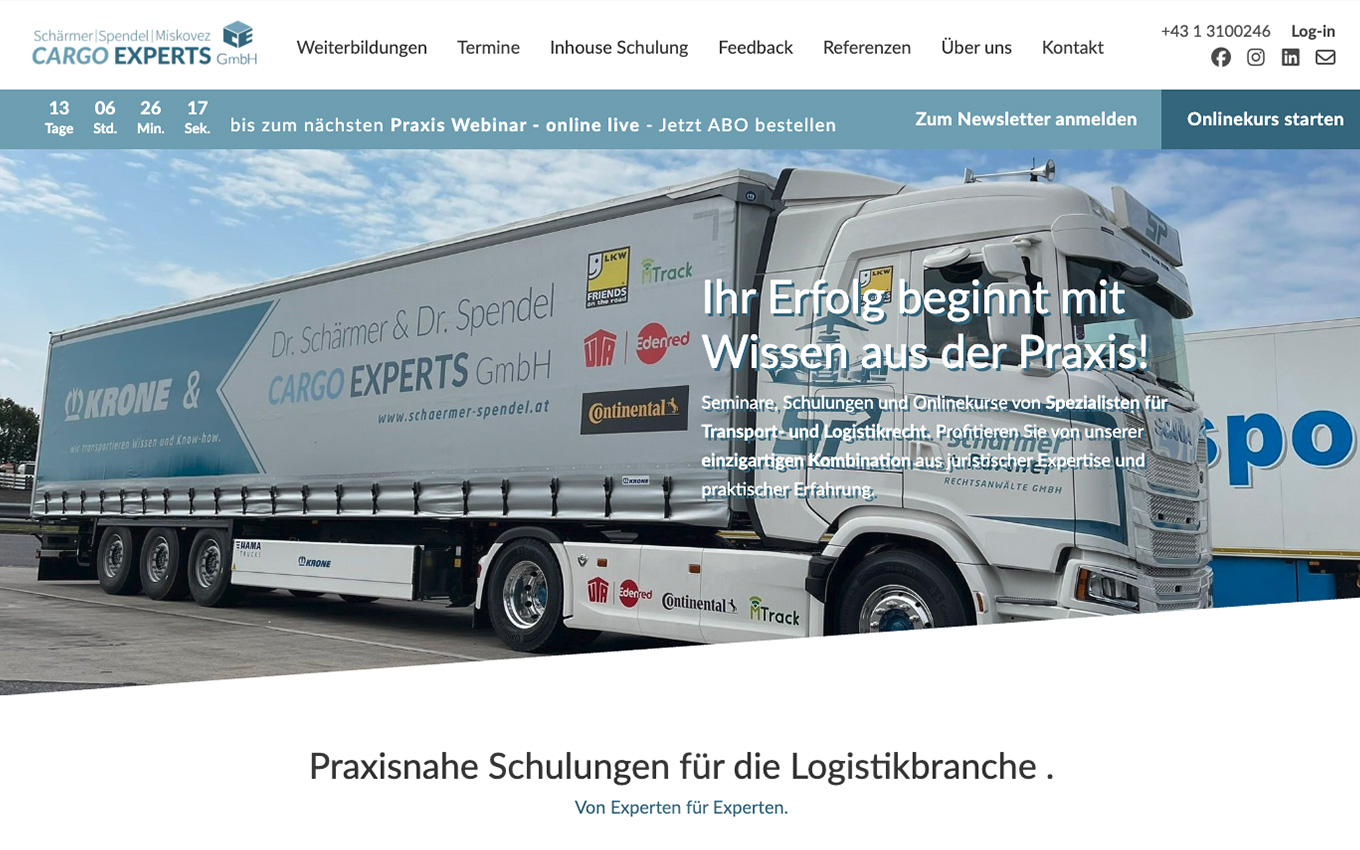
Most SME websites don’t do this. They list: services, prices, a contact form. That’s a business card. Not a sales tool.
The difference is evident in a single number that everyone can answer for themselves: How many inquiries has your website generated in the last three months? If the answer is “hardly any” or “no idea,” the website is not working for you – it’s just online.
A true sales tool guides visitors purposefully from initial curiosity to decision. It doesn’t just answer what you do, but why you are the right contact person. And it turns a casual visitor into someone who takes concrete action.
Three misconceptions that cost good entrepreneurs dearly
The first: the assumption that quality speaks for itself. That’s true – but only after someone has made contact. Until then, the website must do this work.
The second: the fear of appearing too promotional or intrusive. The result: cautious, interchangeable formulations that don’t prompt anyone to act – not even the right clients.
The third, and hardest to recognize: no clear idea of what the visitor should do next. A website without a clear next step leaves the decision to chance – and with it, revenue.
What a website specifically needs to function as a sales tool
Four things determine whether a website actually sells or merely informs:
- A message that makes it clear in seconds who you are for – and who you are not for.
- A structure that builds trust before the visitor asks the first question.
- A clear next step – call, book an appointment, send an inquiry. Exactly one, not five equally valid options.
- Content with substance – texts that show you understand your field, not through lists of certificates, but through concrete statements and examples.



Quick Checklist: Is your website really working for you?
- Do you know how many inquiries your website has generated in the last three months?
- Is it clear within the first five seconds what you offer and for whom?
- Is there exactly one clear next step – or does the visitor have to decide for themselves what to do?
- Does your website explain why you are the right contact person – not just what you do?
- Have you checked in the last six months whether the website still matches your current offerings?
If you hesitate on more than two points: no need to worry. But it’s a clear signal that there’s untapped potential.
A first step
Sometimes, all it takes is a conversation to realize where one’s website is failing to fulfill its purpose – and what it specifically needs to do so. A Website Status Call is not a sales pitch, but an honest assessment: What is your website currently achieving – and what should it be achieving?